



Scale is not your problem in this city
Charlotte Water reports total hardness at 32 ppm, TDS at 59 ppm and alkalinity at 21 ppm. In water chemistry terms that is the textbook corrosive profile: soft, low-mineral and lightly buffered, producing a negative saturation index so no protective film forms on the small defects and weld seams inside your tank lining. The practical consequence is that scale is not your problem here. Corrosion is, and the anode rod is the entire defence against it.
The anode rod, the job most Charlotte plumbers will not do
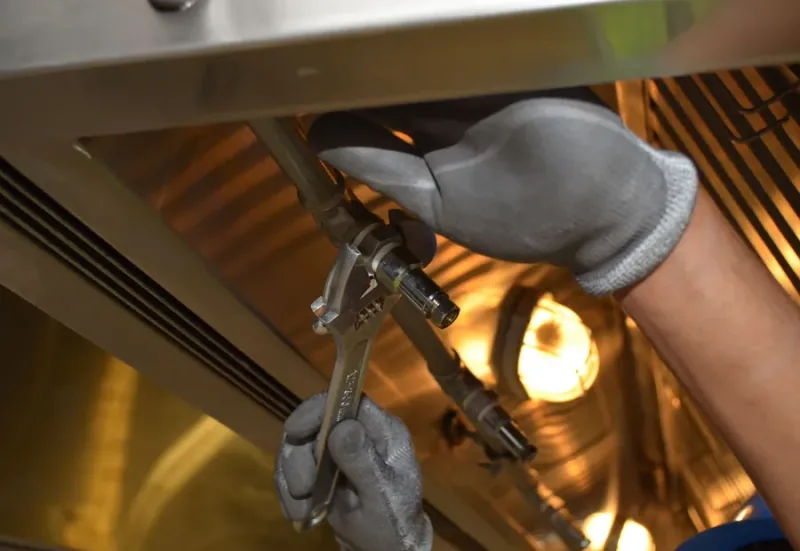
An anode rod is a sacrificial bar of magnesium or aluminium that corrodes instead of your tank. When it is gone, the tank is next, and in Charlotte's water it is worth checking at three to five years. You may have already rung round and been told no; that is the normal experience with this job.
- Why most shops decline it. A rod left in place eight or ten years can be genuinely seized, and removing it takes an impact wrench with the tank braced. Fifteen minutes when it goes well, an hour when it does not, and shops pricing by the book dislike the variance.
- The less flattering reason. Replacing an anode postpones a tank sale. We will say that plainly, because it is true and because saying it is more persuasive than any badge.
- How to tell yours is finished. Rusty flakes or orange sediment in water drained from the tank, a sulphur smell on the hot side only, or a tank over five years old that nobody has ever looked at.
Our age-banded flush policy
Rather than recommending an annual flush to everyone regardless of circumstance:
- Under about 8 years old: flush on schedule. The drain valve is likely still sound, sediment is loose, and the job is genuinely preventative.
- Over about 10 years and never flushed: we tell you honestly that disturbing a decade of hardened sediment can kill the drain valve, and we quote a brass replacement valve alongside so that if it happens we fix it in the same visit rather than leave you without water.
- Over about 12 years: replacement usually beats maintenance, and we would rather tell you that than take the booking.
Charlotte Water's own guidance is symptom-triggered rather than calendar-driven: flush the water heater if you experience cloudy or discoloured water when running hot water. That is the honest position and it comes from the utility rather than from us.
Before you pay anyone, check it is not the city
Charlotte Water flushes hydrants on a routine schedule and it stirs up mains sediment that shows at your taps as cloudy or discoloured water. It is temporary, it is not a water heater fault, and you should not pay a plumber for it.
The utility publishes the test: run a cold tap for five minutes, wait an hour, try again. If it clears, it was distribution. If your cold water is clear and only the hot is cloudy or discoloured, it is your water heater, and Charlotte Water's own material says so and directs you to a licensed plumber. That test is free and it is the first thing we ask on the phone.
Rotten egg smell, and what actually causes it
If your hot water smells of sulphur and your cold water does not, the reaction is inside your tank. A magnesium anode corroding in water containing sulphates, with certain bacteria present, produces hydrogen sulphide gas. The rod is doing exactly what it is designed to do, and the smell is a by-product of the tank being protected.
- The fix is usually a change of rod material. Aluminium-zinc does not drive the same reaction, and a powered titanium rod protects without sacrificing metal.
- Established bacteria need the tank sanitising too. Otherwise the smell returns within weeks.
- We will not pull the rod and leave it out. It does stop the smell, and it also voids your warranty and removes the only corrosion protection the tank has, in a city whose water is unusually corrosive.
- Ignore the chloramine advice. National content blames chloramine for eating anode rods, but Charlotte Water's CCR lists chlorine and chloramine does not appear in its published documents. Confirm on 311 rather than taking anyone's word for it, including ours.
What a full maintenance visit covers
- Static pressure reading at a hose bib. In a metro where the utility documents pressures well above 100 psi at lower elevations, this is diagnostic data rather than an upsell.
- T&P relief valve test, and a check that the discharge pipe would pass an inspection.
- Expansion tank check: tap test, weight, and the Schrader valve. Water out of the Schrader means the diaphragm has ruptured.
- Drain valve assessment, with a brass replacement quoted before we start if yours is the plastic type on an older tank.
- Anode rod inspection, which needs the tank drained, which is why pairing it with the flush is the efficient way to do it.
- Flush where the age band supports it, then refill, purge at a hot tap and re-energise in that order.
- Temperature check at a fixture, and a note of anything that will need attention within the year.
What a paid visit includes that a DIY flush does not
A DIY flush costs $10 to $20 in a hose and an afternoon. That is a fair anchor and we are not going to pretend otherwise. What the paid job adds is the anode inspection while the tank is down, a T&P test, a pressure reading, a drain valve assessment, and someone else carrying the risk if the valve fails to reseat. If none of that is worth the difference to you, do it yourself. We would rather tell you how than sell you something you do not want.
What the job covers in Charlotte
System focus
Anode rod inspection and replacement, tank flushing, T&P valve testing, drain valve assessment, static pressure checks and hot water odour diagnosis.
Target outcome
A tank whose corrosion protection is actually working, which is the cheapest way to postpone a $1,500 to $2,500 replacement.
Decision point
Under 8 years, flush on schedule and check the anode. Over 10 and never flushed, we explain the drain valve risk first. Over 12, replacement often beats maintenance and we will say so.